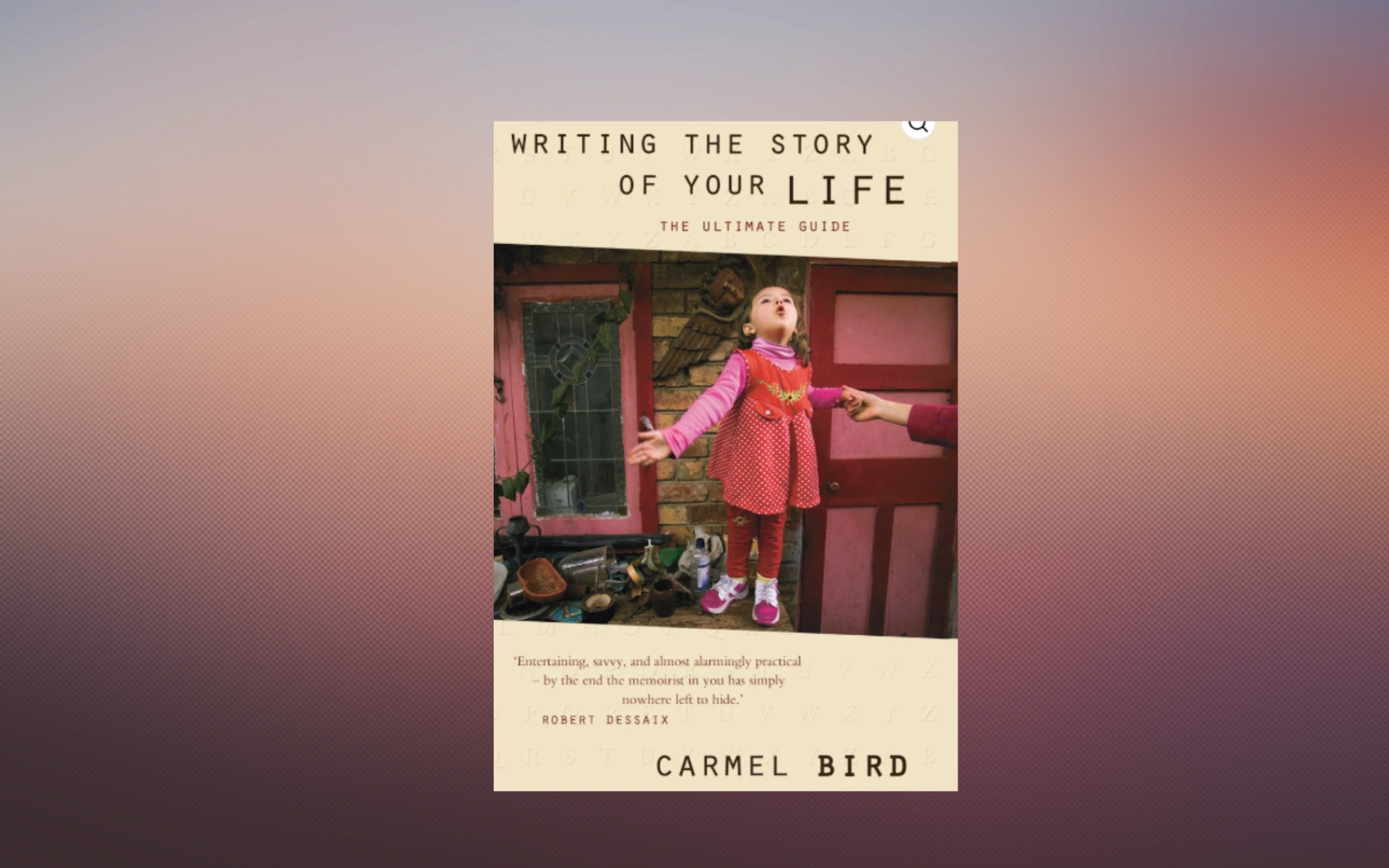
Imagine that a tape recorder continuously records the stories of your life, and you have access to it. Can you stand the idea that your family and future grandchildren, and even your great-grandchildren, won’t know who you are?
Accessing your life stories is energising, absorbing, and a rewarding thing to do. Create a narrative that is, first, a gift to yourself and then one for people who matter to you.
You are the only person who has access to your story unless you record and share it. Your life story involves many intricate details. It grows, develops, and changes throughout your life. Your stories define you as the person you are, constantly in the process of change, even if you are unaware of it. Our personalities develop because we are human beings, not static 'human doings.' We develop. Are you the same person now that you were ten or even forty years ago?
Life is a journey, not a destination
Recording your story is an ideal way to review your journey. It is not true that you have nothing to record.
You are probably reading this post because you have thought that it would be a good idea to write a legacy. But then the doubts surface: I don’t know what to say; I don’t know where to start; or I’m not a talented writer. Put your doubts to rest. I will show you how.
You don’t need to write a chronological epic today. Start with a single memory from last week, or a favourite childhood holiday, or even a story behind an old photograph. When you begin to record your life's moments, your subconscious will provide more. Be ready to write them down as soon as they come to you—fleeting memories have a habit of slipping away again.
Focus on your journey of self-discovery
Do you ever feel that you don’t understand your own motives or choices? If you feel this way, you can learn why you do the things you do. You could find out where that behaviour originated from. When you know you can share what you have learned.
Capture your thoughts and feelings
One method to increase self-understanding is to journal your thoughts and feelings each day about incidents that you have experienced or remembered from the past.
Once you think about something that happened to you in the past, you’ll remember another story, then another. You may also change your point of view about an incident or person you have written about.
Consider how keeping a daily journal is an insightful activity for your personal growth and a source for life story writing. Daily writing regularly forces you to reflect on your life. It becomes a habit. Putting your experiences into writing makes it clearer where your difficulties lie. Reviewing some of your life stories will help you understand yourself so much more.
Writing your life story is not all that difficult
If you follow some of the following journaling methods and don’t focus on the result, you’ll recall more and more parts of your life. Plus, you’ll learn to understand and even love yourself more than you ever have!
Tips to help you get started
Choose how you will record your memories. It really doesn’t matter where you record your life; all have their advantages and disadvantages. Just choose something that works for you.
The tapping of typing requires less brainpower, so notebooks are a better choice. Producing letters by hand engages your fine motor skills. This positively supports your learning, memory and emotional health. It seems more sacred to write with your hand. Typing can also be a distraction; you might sit down to do your journaling and end up surfing the internet!
Keep writing sessions short to manage overwhelm. Of course, you can write as much as you want. But if you keep your sessions short, you’ll be more likely to do it regularly.
Set a schedule so that the habit of self-discovery becomes as natural as your morning coffee. If you use a notebook, keep it by your bed or the coffee pot for easy access. Set a reminder on your computer. It makes more sense to write at nightfall as you reflect on your day, but any time is better than never. Choose a time and stick to it.
Never miss more than one day. Things come up, and it’s easy to miss a day here and there. If you miss more than one day in a row, you might wind up missing five days before you know it. Be consistent. It may be difficult to go back and fill in the blanks at a later date.
Keep your notes private and secure. If you believe that someone else might see your notes, you might hesitate to be completely open when recording your ideas and memories. This is one area where computers really shine; with a decent password, it would take the CIA to get into your journal. A simple locked drawer can work well, too.
Don’t worry about starting at the beginning of your life. Interestingly, many people avoid trying to write stories of their lives because they “can’t remember back that far.” Where you start the story isn’t important. Starting it is. The order of your stories is irrelevant.
Think of your life as a series of brief chapters
You can decide the chapter order at the final editing stage. To simplify your progress, each situation you recall can be a “chapter.” For example, you might remember the time your Uncle Bob took you fishing, and the canoe tipped over. Go directly to your computer, open a blank document, and start typing. Prioritise getting the story out of your head. Editing is the final draft.
Record your life story now with the following exercise!
Look back at the 'tape recorder' of your life right now. What is the very first memory that plays? Write it down in a few sentences. When you complete this exercise, you will have recorded part of your life story. How does that feel?
I invite you to keep in contact with Life Log Blog. I will provide you with:
· Weekly writing prompts
· Share storytelling techniques
· Share snippets from my journey
So, don't worry about the grand epic just yet. What is one small memory from your past that made you smile today? Grab your notebook and write it down.